Discover How Learning Consultants Transform Education with Educational Consulting Services

Education is a vast ocean, and navigating it can sometimes feel overwhelming. Like skilled captains, learning consultants guide students, parents, and educators through these waters, helping them find the best course toward success. Their role is more than just advisory; it is transformative. They illuminate pathways, bridge gaps, and foster environments where learning flourishes. Today, I want to share how educational consulting services are reshaping the landscape of education, making it more accessible, effective, and inspiring.
The Role of Educational Consulting Services in Modern Learning
Educational consulting services act as a lighthouse in the often foggy world of education. They provide clarity and direction for those seeking to improve learning outcomes. These consultants work closely with schools, districts, and families to identify challenges and craft tailored strategies that address specific needs.
For example, a school district struggling with literacy rates might partner with consultants to implement evidence-based reading programs. These experts bring the latest research, such as the Science of Reading, into practical application. They help educators understand how children learn to read and write, and they support parents in reinforcing these skills at home.
Educational consultants also serve as bridges between theory and practice. They translate complex educational research into actionable steps. This ensures that teaching methods are not just trendy but grounded in proven effectiveness. Their work often includes:
Conducting assessments to identify learning gaps
Designing professional development for teachers
Advising on curriculum selection and implementation
Supporting families with strategies to assist their children
By doing so, they create a ripple effect that benefits entire communities.
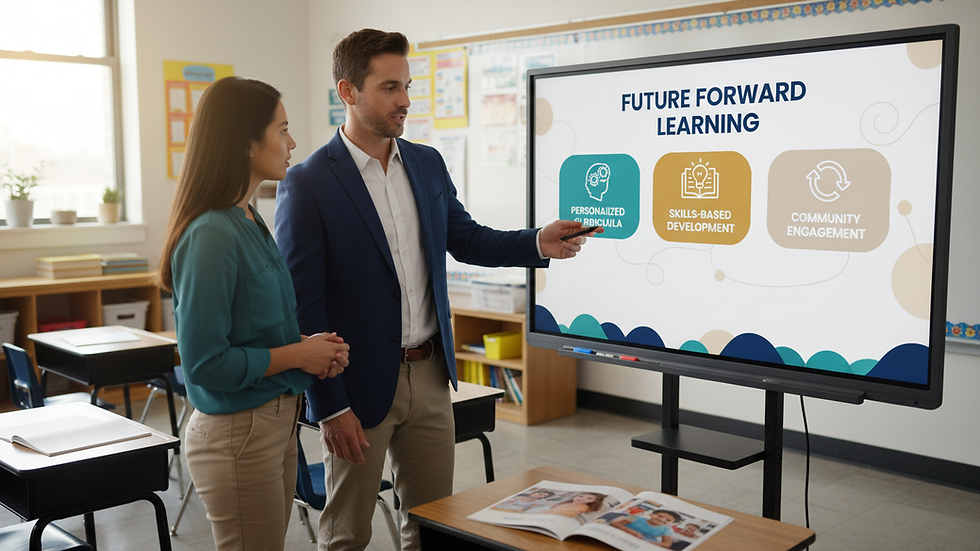
How Learning Consultants Empower Educators and Families
Learning consultants are like gardeners tending to a diverse garden. Each student is a unique plant requiring specific care to thrive. Consultants help educators and families understand these individual needs and nurture growth accordingly.
One powerful way they do this is by fostering a mindset of "learning to learn." This concept encourages students to become active participants in their education, developing skills such as critical thinking, self-regulation, and adaptability. When students learn how to learn, they gain tools that serve them throughout life.
For educators, consultants provide training that goes beyond traditional teaching methods. They introduce strategies that engage students with different learning styles and challenges. For instance, a consultant might demonstrate how to use multisensory techniques to support struggling readers, making lessons more accessible and enjoyable.
Families also benefit from this partnership. Consultants offer guidance on how to create supportive home environments, suggest resources, and teach parents how to advocate effectively for their children. This holistic approach ensures that learning extends beyond the classroom.
In my experience, the most successful educational consulting services are those that build strong relationships based on trust and collaboration. They listen carefully, respect individual circumstances, and tailor their recommendations accordingly.
What is an example of learning to learn?
Imagine a student named Mia who struggles with reading comprehension. Instead of simply giving her more reading assignments, a learning consultant might introduce Mia to strategies that help her understand and remember what she reads. This could include teaching her how to ask questions about the text, summarize paragraphs, or visualize scenes.
By practicing these techniques, Mia is not just improving her reading skills; she is learning how to approach any new subject with curiosity and confidence. This shift from passive reception to active engagement exemplifies "learning to learn."
Another example is teaching students how to set goals and monitor their progress. When students track their own learning, they develop self-awareness and motivation. These skills are invaluable, especially as education becomes more personalized and technology-driven.
Educational consultants often use tools like learning journals, checklists, and reflection prompts to support this process. They empower students to take ownership of their education, transforming challenges into opportunities for growth.

Practical Steps to Integrate Educational Consulting Services
If you are considering how educational consulting services can make a difference, here are some practical steps to get started:
Identify Specific Needs
Begin by assessing the areas where support is most needed. Is it literacy, math, social-emotional learning, or something else? Clear goals help consultants tailor their approach.
Engage Stakeholders
Involve teachers, parents, and administrators in the conversation. Their insights provide a fuller picture and foster buy-in for new initiatives.
Choose Evidence-Based Approaches
Look for consultants who emphasize research-backed methods. This ensures that interventions are effective and sustainable.
Plan for Professional Development
Invest in training sessions that equip educators with new skills and knowledge. Ongoing support is crucial for lasting change.
Create a Supportive Environment at Home
Encourage families to participate actively. Consultants can provide resources and coaching to help parents reinforce learning.
Monitor Progress and Adjust
Use data and feedback to evaluate the impact of consulting services. Be ready to adapt strategies as needed.
By following these steps, schools and families can maximize the benefits of educational consulting services. Remember, transformation is a journey, not a quick fix.
The Future of Education: A Collaborative Vision
As I reflect on the evolving role of learning consultants, I see a future where education is more personalized, inclusive, and effective. These professionals are catalysts for change, helping to close gaps and open doors.
One inspiring example is the work done by learning to learn llc charleston county. They embody the mission of bridging the gap between the Science of Reading research and practical application. Their commitment to empowering educators and parents is a beacon for others in the field.
The collaboration between consultants, educators, and families creates a powerful network of support. Together, they build learning environments where every student can thrive. This vision aligns with the broader goal of lifelong learning and literacy growth, ensuring that education adapts to the needs of each learner.
In this shared journey, learning consultants are not just advisors; they are partners, guides, and advocates. Their work transforms education from a static system into a dynamic, living process that nurtures potential and inspires success.
By embracing the expertise and insights of learning consultants, we open the door to a brighter educational future. Whether through tailored strategies, professional development, or family engagement, these services offer practical, meaningful ways to support learners at every stage. The transformation they bring is profound, lasting, and deeply rewarding.


Comments